The Altipiano does not switch on its festivals all at once. They arrive with the weather, the saints' days and the rhythms of the agricultural year. A weekend in May feels different from a weekend in September: the light is different, the stalls sell different things, and the roads fill at different times. If you are planning a visit, it helps to know what usually happens when, and what to book before you set out. This checklist is a practical guide to the festival season, not a fixed timetable. Dates move with the liturgical calendar and local decisions, so always confirm with the parish, the pro loco or the tourist office before you travel.
Spring: Dairy Days and the First Village Fairs
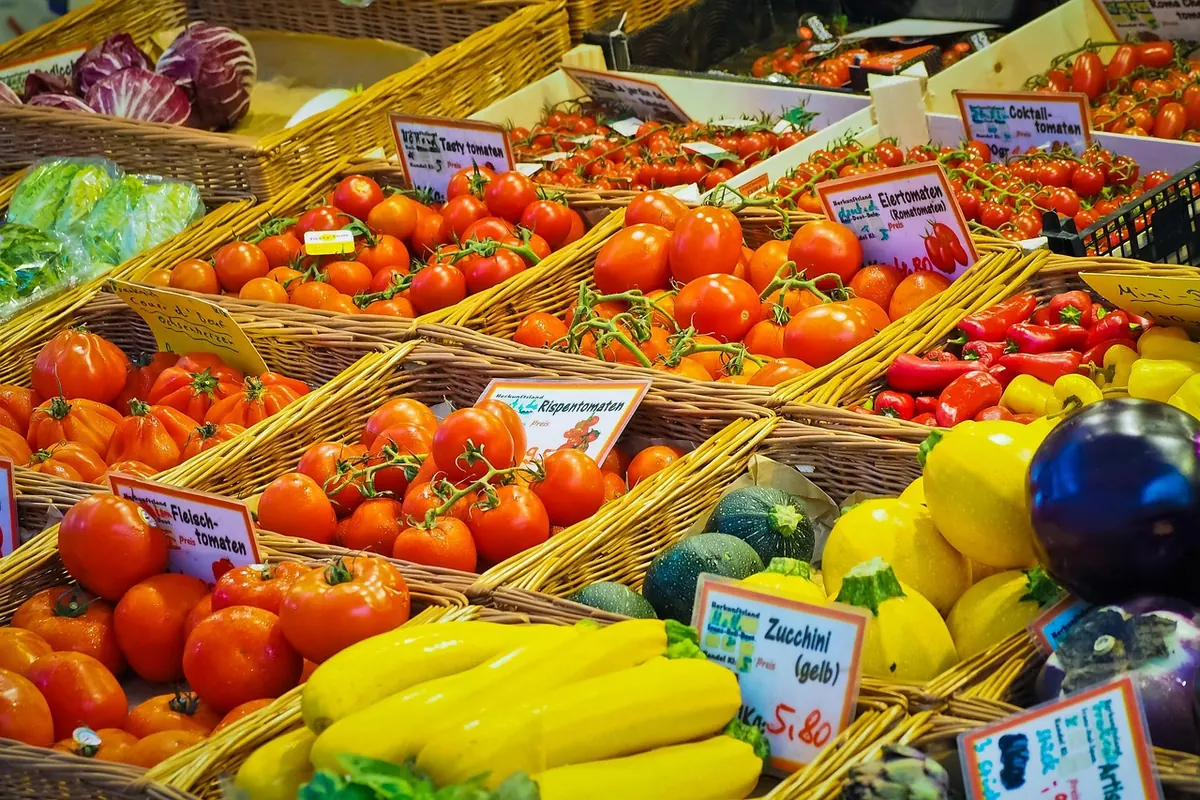
Spring arrives late on the plateau, and the first festivals reflect that. From late April into June, look for dairy days, open farm afternoons and small fairs built around cheese, butter and spring lamb. These are often low-key, family-run affairs held in a village hall or a farmyard. You might see a cheesemaker cutting into a wheel of fresh pressato, or a table of ricotta still warm from the morning's work. The mood is unhurried. This is also when walking groups start the season, so some events combine a guided walk with a tasting.
Spring weekends are generally easier than summer, but do not assume you can turn up and find a table for ten. For a group, call ahead. If the festival is held in a small village, parking may be limited to a field on the edge of town. Check whether the event is indoors or outdoors, because April weather on the Altipiano can turn cold and wet without much warning. Bring a layer and shoes that can handle mud.
What to confirm before a spring visit
- The exact date and whether it is a one-day or two-day event.
- Whether booking is required for tastings or lunches.
- Parking arrangements and any shuttle service.
- Whether the venue is indoors or outdoors.
Early Summer: Patron Saint Processions and Sagre
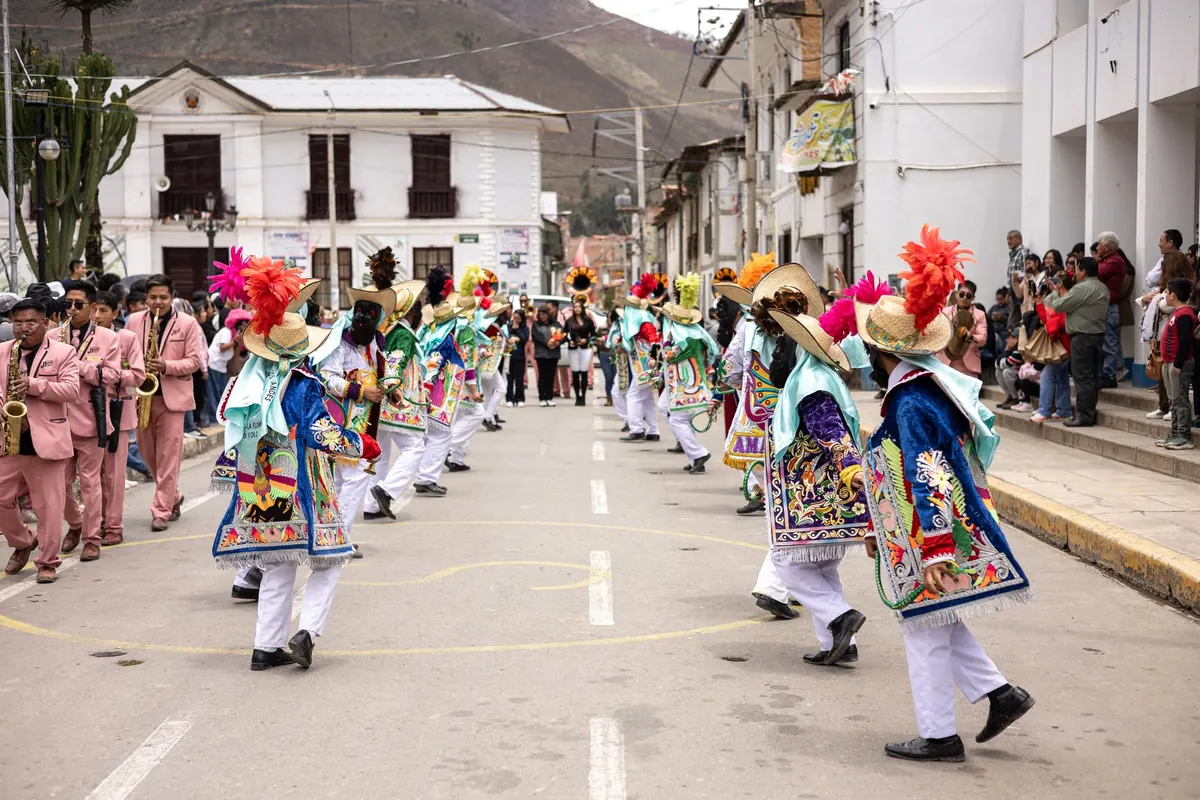
From June into July, the calendar fills with patron saint processions and village sagre. These are the events that anchor local identity: a mass, a procession through the streets, a band, and then food stalls in the square. The dates are tied to the saint's feast day, so they vary from parish to parish. Some processions take place in the evening with candles and torches; others follow a morning mass. If you want to attend, ask at the tourist office for the current year's parish calendar, or look for notices outside the church. Do not rely on last year's date.
Book early for the busiest weekends. Accommodation in the main villages can fill months ahead, especially if the procession coincides with a long weekend. Restaurants often run a fixed festival menu, and some small places close to regular service. If you have your heart set on a particular table, reserve. For processions, arrive early enough to find a spot on the route without blocking driveways or shop entrances. Remember that these are religious events, not performances. Dress respectfully, keep voices low during the procession, and ask before taking close-up photographs of participants.
High Summer: Peak Season and the August Holiday
Late July and August are the busiest weeks. The plateau is a natural escape from the heat of the cities, and the festival calendar responds with something almost every weekend: food fairs, craft markets, music evenings, children's activities and open-air theatre. Around the middle of August, the holiday period brings a sharp rise in visitors. If you are coming then, treat the trip like a city break and plan the essentials.
Booking checklist for high summer
- Book accommodation as far ahead as you can, especially for the weekends around the August holiday.
- Reserve dinner for Friday and Saturday nights; walk-ins can work at lunch, but dinner is harder.
- Check whether local buses or shuttles run to the festival site, and where the temporary car parks are.
- Confirm the festival's opening hours. Some stalls close in the afternoon and reopen in the evening.
- Have a wet-weather plan. Mountain storms can cancel outdoor events at short notice.
- Carry cash for small stalls. Not every producer has a card reader, and mobile signal can be patchy.
If you are staying in a smaller hamlet, ask your host about the nearest pharmacy, supermarket and petrol station. On busy weekends, these can be further away than you expect. If you are booking a package or making a large payment, check the cancellation terms and, where needed, take professional advice.
Autumn: Chestnuts, Mushrooms and Harvest Suppers
September and October bring the harvest festivals. This is the season for chestnuts, mushrooms, apples, honey and pumpkin. Village squares fill with wood smoke and the smell of roasting. Many events include a market, a guided walk to collect chestnuts or mushrooms, and a long lunch. Some are organised by the pro loco; others by individual farms. The mood is earthy and practical. You might see a demonstration of traditional cheese-making or a display of old agricultural tools.
Autumn weekends can be surprisingly busy, especially if the weather is good. The first weekend of October often coincides with local harvest celebrations, and accommodation in the main villages can fill. Check whether the festival is a one-day market or a full weekend of events. If you plan to join a guided forage, confirm whether you need to bring your own basket and whether the walk is suitable for children. For mushroom events, remember that picking is regulated in many areas; follow local rules and never eat anything you cannot identify with certainty. If you are unsure, ask a qualified guide or the local forestry office.
Winter: Christmas Markets and the Quiet Season
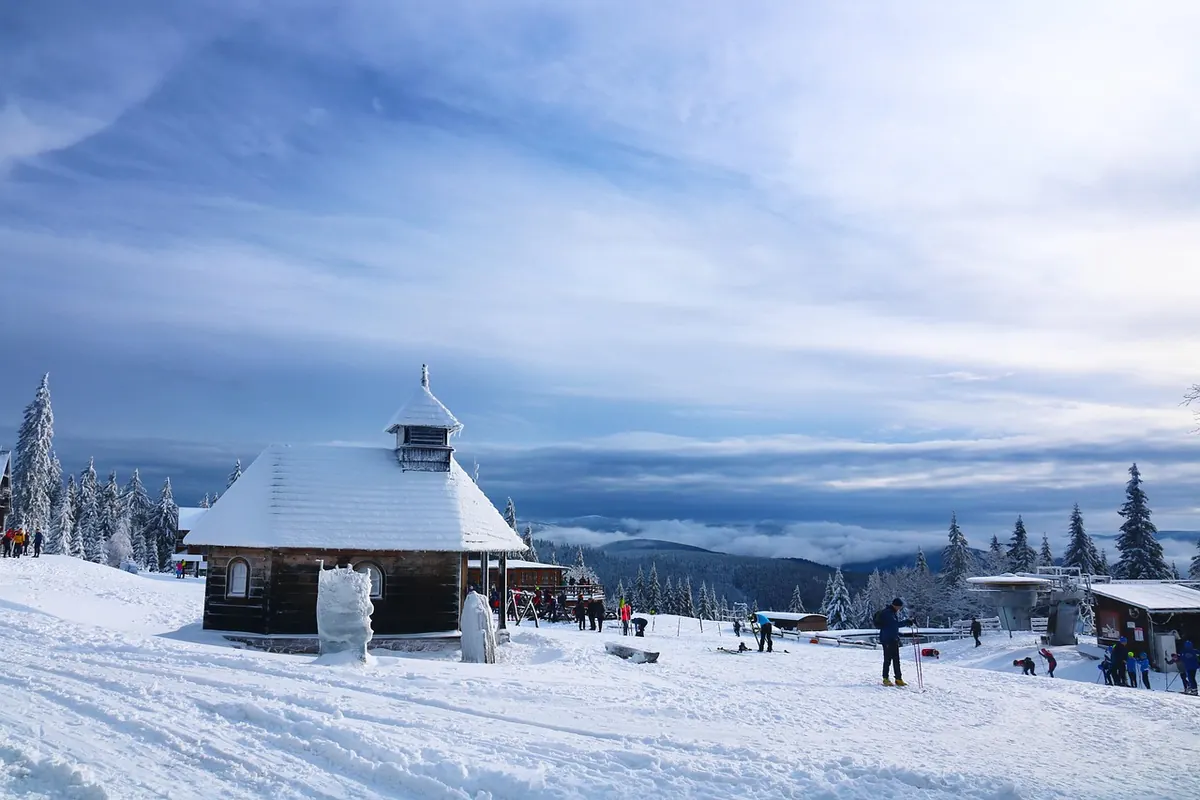
From late November into January, the festival calendar slows down and moves indoors. Christmas markets appear in village squares and covered halls, with stalls selling crafts, preserves, mulled wine and decorations. Some weekends include a living nativity or a concert in the church. The atmosphere is quieter than summer, but the best markets can still draw crowds on Saturdays and Sundays. Check opening times carefully: some markets run only on weekends, and others close between Christmas and New Year.
Winter is easier for accommodation, but not every restaurant stays open. If you are visiting for a specific market, call ahead to confirm the dates and whether the stalls are indoors. Snow can close mountain roads, so check the local road conditions before setting out and carry chains if you are driving in winter conditions. If you are unsure about your vehicle or insurance cover for snowy roads, seek professional advice before you travel.
Building Your Own Festival Calendar
You do not need to chase every event. A better approach is to pick two or three that match your interests and build a trip around them. If you like food, aim for the dairy days in spring and the harvest festivals in autumn. If you prefer music and processions, look at early summer. If you want a quieter visit, choose a weekend in late spring or early autumn and use the festival as an evening activity rather than the main event.
- Start with the tourist office or the pro loco website for the current year's calendar. Ask for a printed list if you prefer.
- Cross-check the date with the parish for processions, because liturgical dates move.
- Book accommodation first, then restaurants, then transport.
- Leave room for weather. Do not schedule a mountain walk and a festival lunch back-to-back if the forecast is uncertain.
- Confirm the small details a week before you travel: parking, opening hours and whether tickets are needed.
A Short Practical Checklist Before You Book
Confirm the date with more than one source: the parish, the pro loco and the tourist office. For processions, ask whether the route closes roads and how early you should arrive. For food festivals, ask whether tables can be reserved or whether service is first-come, first-served. Book accommodation early for late July, August and the first weekend of October, and check the cancellation policy before you pay a deposit. If you are travelling with children or anyone who needs step-free access, ask about parking, paths and seating. Pack for changeable weather, keep some cash for small stalls, and leave space in your plan for a slow morning. The best festival days on the Altipiano are rarely the ones you rush through.
Photo: Alex Pereyra / Pexels