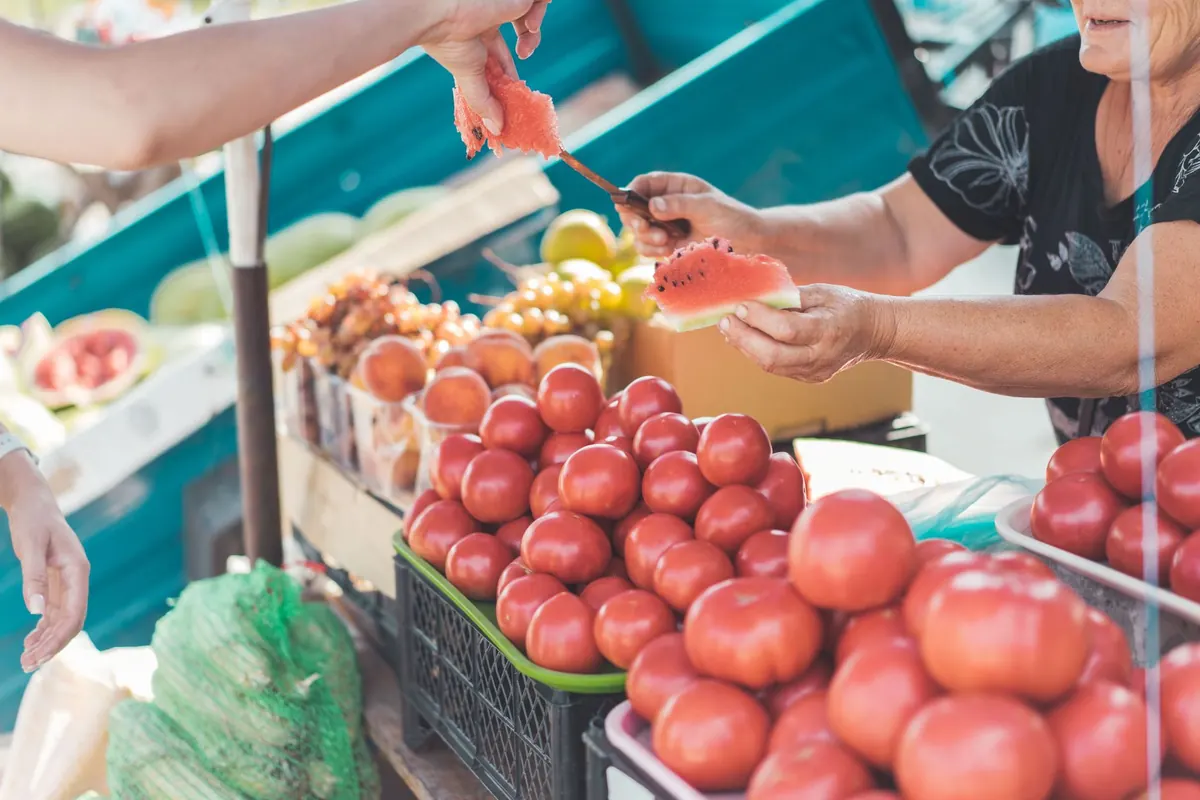
The first time you walk into an Altipiano market, the scene can feel like a conversation already in progress. Vendors are stacking cheese, someone is filling a bag with greens, and a queue has formed at a stall you cannot yet identify. You do not need to know the whole calendar to shop well. You need a little rhythm, a rough idea of the seasons, and the confidence to ask two or three good questions.
The Market Week, Decoded
Markets on the plateau tend to follow the farming week rather than the tourist timetable. Many towns hold a weekly market, often in the morning, and the busiest stalls sell out before the square empties. Arrive early if you want eggs, fresh cheese, or the best choice of bread. Arrive later if you are happy with a quieter browse and a bargain on the last of the produce.
Saturday markets are usually the social ones: families shop, friends stop to talk, and the pace is slower. Midweek markets are often calmer and better for a proper conversation with a producer. If you are visiting for a short break, check the local market day before you plan your morning. A tourist office or a noticeboard in the square will usually have the details.
Two habits make a first visit easier. Bring cash, because not every stall takes cards, and carry a sturdy bag or two. A basket is charming; a bag with handles is kinder to your hands when it is full of potatoes and cheese.
What to Buy, Season by Season
The plateau’s produce follows the mountain year. Do not expect everything at once. Expect a short, intense season for each thing, and build your shopping around what looks fresh rather than what is on a list.
Late spring
Look for the first tender greens, wild herbs, and spring onions. This is also a good moment for fresh cheeses and butter, when the milk is changing with the new grass. If you see bunches of herbs you do not recognise, ask how they are used. A vendor will often tell you whether they belong in soup, with eggs, or under a roast.
Summer
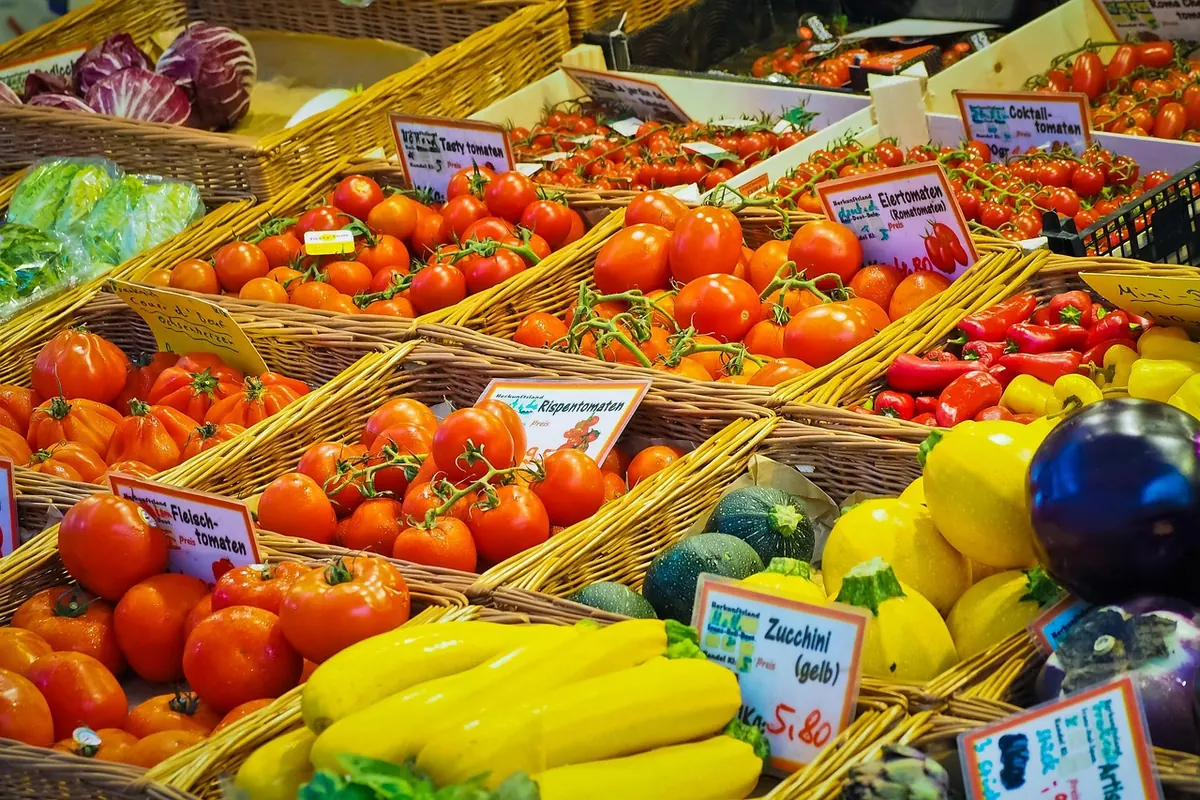
Berries, stone fruit, cucumbers, courgettes, and beans arrive in abundance. Tomatoes taste like tomatoes. This is the time to buy soft fruit for eating straight away and firmer fruit for the journey home. Honey and jams from the previous year are still on the stalls, and summer is a good time to compare varieties before the autumn rush.
Autumn
Mushrooms, potatoes, cabbage, apples, pears, and nuts take over. The cheese stalls become especially interesting as the animals move and the milk changes again. If you are buying wild mushrooms, buy from a stall you trust and ask how they were gathered. Never pick and eat wild mushrooms without expert guidance.
Winter
The market becomes smaller and more focused: roots, stored apples, preserved vegetables, cured meats, honey, and cheese. This is the season for pantry shopping. A jar of honey, a piece of mountain cheese, and a bag of potatoes can carry a week of simple meals.
Stalls to Prioritize
You cannot do everything on the first visit. Start with the stalls that sell out first and work backwards. A sensible order looks like this:
- Cheese and dairy. Go early, taste before you buy, and ask for a piece cut to the size you need. A good vendor will let you try two or three styles.
- Eggs and honey. These are often small-scale and sell quickly. Check the label for the producer’s name and ask about the harvest or laying date if it is not clear.
- Seasonal produce. Buy what is in peak condition, not what is on display in the largest pile. Handle gently and choose the stall with the shortest queue of locals.
- Bread and baked goods. Late morning is often the best time for a second bake, but the first loaves go early. Ask what is still warm.
- Preserves and pantry jars. Save these for last so you are not carrying heavy glass while you compare tomatoes.
If a stall has a long queue of people who clearly shop there every week, that is a useful signal. It is not a guarantee, but it usually means the produce is fresh and the prices are fair.
How to Read a Stall Without Guessing
Good market shopping is mostly looking and asking. Look at the display: is it neat, is the produce cool, are the boxes clean? Ask what is from the plateau and what has been brought in. Many vendors are proud of the distinction and will tell you plainly.
Useful questions are short. “What is good today?” “How should I cook this?” “How long will it keep?” “Is this from your farm?” You do not need to pretend to know more than you do. A producer would rather explain a cheese than sell you something you will not enjoy.
Pay attention to weight and packaging. If you are travelling, buy cheese in a piece that will survive a warm car, and ask for it to be wrapped separately from bread. Soft cheeses are for eating soon; hard cheeses travel better. If you have allergies or dietary needs, say so before you taste.
A First-Morning Route
Here is a simple plan that works in most plateau market squares:
- Walk the whole market once without buying. Note the stalls, the queues, and what looks best.
- Buy cheese, eggs, and any fresh dairy first, while the choice is widest.
- Choose vegetables and fruit from the stall that looks freshest, not the first one you see.
- Pick up bread last, so it stays warm and uncrushed.
- Before you leave, buy one pantry item, such as honey or a jar of preserves, to take home.
This route keeps your bags balanced and stops you from spending your whole budget at the first tempting table.
Before You Leave the Square
Check what you have bought and what will not survive the trip. Soft fruit, fresh cheese, and warm bread need to be eaten soon or packed carefully. Ask the vendor for a cool bag if you are driving far, or buy a small cool pack from a nearby shop. Keep receipts if you are buying gifts, and note the name of any stall you want to find again.
Most of all, leave a little room in your bag and your schedule. The best market purchases are often the ones you did not plan: a jar of dark honey, a bunch of herbs tied with string, a cheese you tried because the vendor offered a sliver. That is the real first-timer’s guide to the Altipiano markets. Start with the rhythm, buy with the season, and let the square teach you the rest.
Photo: Atlantic Ambience / Pexels